HVAC Rebates And Incentives
Heating and cooling systems account for the largest share of energy use in most homes, which is why HVAC upgrades are commonly supported through energy rebate and incentive programs. Many programs encourage homeowners to install high-efficiency heating and cooling equipment by offering financial incentives that help offset the cost of upgrading older systems.
AmericanEnergyRebates.com is an educational resource designed to help homeowners better understand the energy rebate programs available. The site provides information about the types of incentives that may exist, the home upgrades that commonly qualify, and how energy rebate programs typically work across different utility service areas.
Why HVAC Systems Are Commonly Eligible for Rebates
Heating and cooling equipment represents one of the most energy-intensive systems in a home. Because of this, many energy efficiency programs focus on HVAC upgrades as a way to reduce electricity and fuel consumption while improving overall building performance.
Rebate programs are designed to encourage homeowners to replace older or inefficient systems with modern equipment that meets higher efficiency standards. These improvements can reduce energy demand, improve indoor temperature control, and support broader energy efficiency initiatives.
In many cases, incentives help offset part of the cost associated with installing high-efficiency HVAC systems, making these upgrades more financially accessible for homeowners.
HVAC Upgrades That May Qualify for Rebates
Many rebate programs recognize a range of heating and cooling equipment upgrades. The types of improvements that may qualify often include major system replacements or upgrades that significantly improve energy performance.
Common rebate-eligible HVAC upgrades may include:
- High-efficiency central air conditioning systems
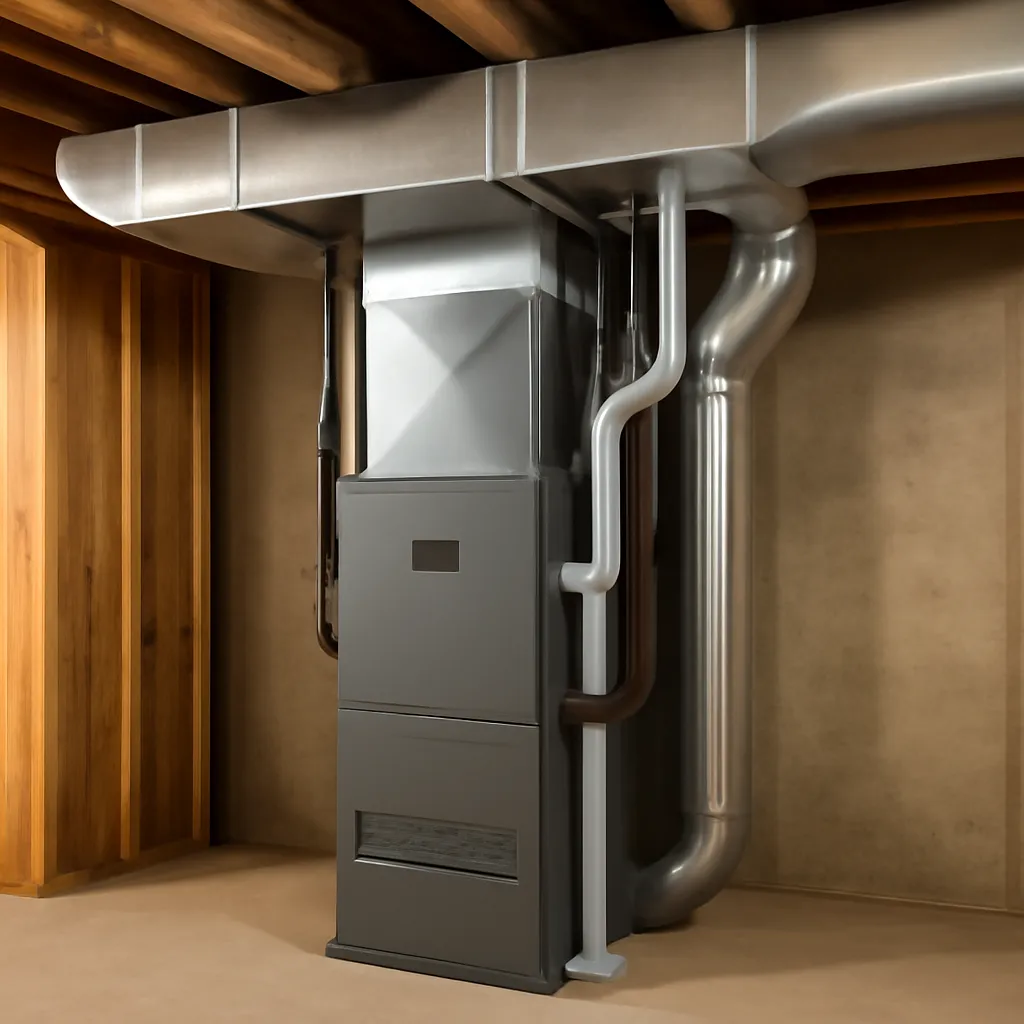
- Gas furnaces that meet high efficiency standards
- Variable-speed or multi-stage air handlers
- Complete heating and cooling system replacements
In some programs, rebates may also apply when homeowners upgrade multiple components of a system at the same time, such as replacing both the air conditioner and furnace as part of a matched system installation.
How HVAC Efficiency Ratings Affect Rebate Eligibility
Most HVAC rebate programs determine eligibility based on equipment efficiency ratings. These ratings measure how effectively heating and cooling systems convert energy into usable heating or cooling output.
Common HVAC efficiency standards used in rebate programs include:
- SEER2 – Seasonal Energy Efficiency Ratio used for air conditioning systems
- EER2 – Energy Efficiency Ratio measuring cooling performance under peak conditions
- AFUE – Annual Fuel Utilization Efficiency used for gas furnaces
Programs typically establish minimum efficiency thresholds that equipment must meet in order to qualify for available rebates.
Installation and Verification Requirements
Many rebate programs require professional installation and documentation to confirm that new HVAC systems meet program requirements. These verification steps help ensure that equipment operates at its intended efficiency level.
Documentation requirements may include:
- Contractor installation invoices
- Equipment model numbers and manufacturer specifications
- Efficiency rating documentation
- Installation verification or inspection
Following program guidelines carefully is important, as missing documentation or incorrect equipment selection can prevent a rebate application from being approved.
Benefits of Upgrading to High-Efficiency HVAC Systems
Upgrading to high-efficiency HVAC equipment can provide several long-term benefits for homeowners beyond rebate eligibility. These benefits may include:
- Lower monthly energy consumption
- Improved indoor temperature consistency
- Reduced strain on heating and cooling equipment
- Long-term savings on energy costs
Because heating and cooling systems operate throughout the year, efficiency improvements can produce meaningful reductions in overall household energy use.
Frequently Asked Questions
What are energy rebates for homeowners?
Energy rebates are financial incentives offered by government programs, utility companies, or regional energy initiatives to encourage homeowners to install energy-efficient equipment or make efficiency upgrades to their homes.
What home upgrades commonly qualify for energy rebates?
Many energy programs provide incentives for upgrades that improve energy efficiency. These may include high-efficiency HVAC systems, heat pumps, attic insulation and air sealing, energy-efficient water heaters, reflective roofing materials, and energy-efficient windows and doors. Program requirements vary depending on the utility provider and region.
How much can homeowners save with energy rebates?
Savings vary depending on the type of upgrade and available programs. Smaller improvements may qualify for rebates worth several hundred dollars, while larger upgrades such as HVAC systems or heat pumps may qualify for incentives worth several thousand dollars.
Are energy rebates available in Texas, Oklahoma, and Louisiana?
Many homeowners in Texas, Oklahoma, and Louisiana may have access to energy efficiency programs offered through utilities, federal initiatives, or regional energy programs. Available incentives depend on your utility provider and local program availability.
Do energy rebates come from the government or utility companies?
Energy rebates can come from several sources, including federal energy efficiency programs, state-level initiatives, utility company incentive programs, and regional energy efficiency partnerships. In some cases, homeowners may be able to combine multiple incentives for a single upgrade.
Do I need to apply for rebates before installing new equipment?
Some programs require homeowners to review eligibility or pre-qualify before installing new equipment, while others allow rebate applications after the upgrade has been completed. Because requirements vary by program and utility provider, it is usually recommended to review program guidelines before beginning a home upgrade project.
How are energy rebates typically paid to homeowners?
Energy rebates may be issued in several ways depending on the program. Some homeowners receive rebate checks after submitting documentation, while others may receive a credit on their utility bill. Certain programs may also provide instant discounts through participating contractors or federal tax credits applied during tax filing.
Do homeowners need an energy assessment to qualify?
Some energy efficiency programs require a home energy assessment before approving rebates. These assessments help identify where energy improvements can increase efficiency and determine which upgrades may qualify for available incentives.
Can homeowners combine multiple energy incentives?
In some cases, homeowners may qualify for more than one type of incentive. For example, an upgrade could qualify for both a utility rebate and a federal tax credit. However, eligibility rules vary by program and some incentives may have limits on how they can be combined.
How can homeowners find energy rebates available in their area?
Homeowners can typically find available energy rebates by identifying their local utility provider and reviewing the programs offered in their service area. Many regional and federal initiatives provide incentives for qualifying energy-efficient upgrades designed to reduce electricity use and improve home performance.

AmericanEnergyRebates.com is an educational resource designed to help homeowners better understand the energy rebate programs available. The site provides information about the types of incentives that may exist, the home upgrades that commonly qualify, and how energy rebate programs typically work across different utility service areas.
© 2026 American Energy Rebates. All Rights Reserved.