
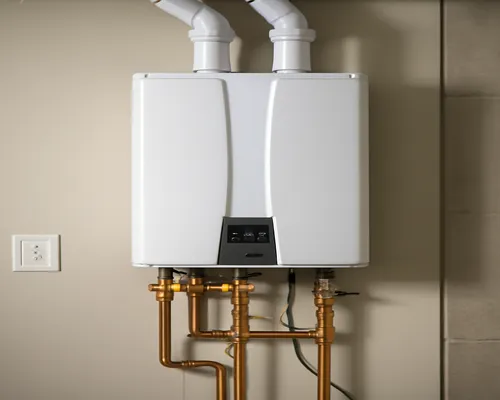
Water Heater And Tankless System Incentives
Water heating represents a significant portion of household energy consumption. Because of this, many energy rebate programs provide incentives for installing high-efficiency water heating systems. These programs are designed to encourage homeowners to replace older equipment with modern systems that use less energy while maintaining reliable hot water performance.
AmericanEnergyRebates.com is an educational resource that helps homeowners understand available energy rebate programs, qualifying upgrades, and how incentives typically work across different utility service areas..
Water Heater and Tankless System Incentives
Water heating represents a significant portion of household energy consumption. Because of this, many energy rebate programs provide incentives for installing high-efficiency water heating systems.
These programs are designed to encourage homeowners to replace older equipment with modern systems that use less energy while maintaining reliable hot water performance.
Incentives are typically tied to equipment efficiency ratings, fuel type, and verified installation standards.
Types of Water Heater Systems That May Qualify
Energy rebate programs often focus on water heating technologies that deliver improved efficiency and lower operating costs. Programs that offer incentives typically prioritize equipment designed to reduce energy use compared with conventional systems. Common rebate-eligible water heating upgrades may include:
- Heat pump water heaters
- Tankless (on-demand) water heating systems
- High-efficiency gas water heaters
These systems are designed to reduce the amount of energy required to heat water while maintaining consistent performance for everyday household needs.
How High-Efficiency Water Heating Systems Improve Energy Performance
Modern water heating systems improve efficiency through advanced heating technologies and better energy management. Heat pump water heaters move heat from surrounding air into the water tank rather than generating heat directly, while tankless systems heat water only when it is needed. High-efficiency gas water heaters are designed to maximize fuel usage and reduce wasted energy.
These technologies can improve energy performance by:
- Reducing standby heat loss
- Heating water more efficiently
- Lowering total household energy consumption
- Providing consistent hot water performance
By improving efficiency and reducing energy waste, these systems can contribute to noticeable reductions in household energy use.
Typical Program Requirements
Incentive programs that include water heating upgrades typically establish technical standards that equipment must meet in order to qualify.
Requirements may include:
- Minimum efficiency ratings such as Uniform Energy Factor (UEF)
- Approved equipment models or product certifications
- Professional installation documentation
- Verification that the installed system meets program guidelines
These requirements help ensure that incentives are applied to equipment capable of delivering measurable energy savings.
Benefits of Upgrading to a High-Efficiency Water Heater
Installing a high-efficiency water heating system can provide several benefits beyond incentive eligibility. Potential advantages may include:
- Lower overall energy consumption for water heating
- Reduced long-term operating costs
- Improved efficiency compared with older systems
- Reliable hot water performance for everyday use
Because water heating is one of the largest sources of energy use in many homes, upgrading to a high-efficiency system can play an important role in improving overall household energy performance.
Frequently Asked Questions
What are energy rebates for homeowners?
Energy rebates are financial incentives offered by government programs, utility companies, or regional energy initiatives to encourage homeowners to install energy-efficient equipment or make efficiency upgrades to their homes.
What home upgrades commonly qualify for energy rebates?
Many energy programs provide incentives for upgrades that improve energy efficiency. These may include high-efficiency HVAC systems, heat pumps, attic insulation and air sealing, energy-efficient water heaters, reflective roofing materials, and energy-efficient windows and doors. Program requirements vary depending on the utility provider and region.
How much can homeowners save with energy rebates?
Savings vary depending on the type of upgrade and available programs. Smaller improvements may qualify for rebates worth several hundred dollars, while larger upgrades such as HVAC systems or heat pumps may qualify for incentives worth several thousand dollars.
Are energy rebates available in Texas, Oklahoma, and Louisiana?
Many homeowners in Texas, Oklahoma, and Louisiana may have access to energy efficiency programs offered through utilities, federal initiatives, or regional energy programs. Available incentives depend on your utility provider and local program availability.
Do energy rebates come from the government or utility companies?
Energy rebates can come from several sources, including federal energy efficiency programs, state-level initiatives, utility company incentive programs, and regional energy efficiency partnerships. In some cases, homeowners may be able to combine multiple incentives for a single upgrade.
Do I need to apply for rebates before installing new equipment?
Some programs require homeowners to review eligibility or pre-qualify before installing new equipment, while others allow rebate applications after the upgrade has been completed. Because requirements vary by program and utility provider, it is usually recommended to review program guidelines before beginning a home upgrade project.
How are energy rebates typically paid to homeowners?
Energy rebates may be issued in several ways depending on the program. Some homeowners receive rebate checks after submitting documentation, while others may receive a credit on their utility bill. Certain programs may also provide instant discounts through participating contractors or federal tax credits applied during tax filing.
Do homeowners need an energy assessment to qualify?
Some energy efficiency programs require a home energy assessment before approving rebates. These assessments help identify where energy improvements can increase efficiency and determine which upgrades may qualify for available incentives.
Can homeowners combine multiple energy incentives?
In some cases, homeowners may qualify for more than one type of incentive. For example, an upgrade could qualify for both a utility rebate and a federal tax credit. However, eligibility rules vary by program and some incentives may have limits on how they can be combined.
How can homeowners find energy rebates available in their area?
Homeowners can typically find available energy rebates by identifying their local utility provider and reviewing the programs offered in their service area. Many regional and federal initiatives provide incentives for qualifying energy-efficient upgrades designed to reduce electricity use and improve home performance.

AmericanEnergyRebates.com is an educational resource designed to help homeowners better understand the energy rebate programs available. The site provides information about the types of incentives that may exist, the home upgrades that commonly qualify, and how energy rebate programs typically work across different utility service areas.
© 2026 American Energy Rebates. All Rights Reserved.