Understanding Utility Provider Energy Rebates In Texas
In Texas, energy rebates are typically determined by utility service territories rather than city boundaries or ZIP codes. This means that two homes located on the same street may qualify for entirely different rebate programs depending on which company delivers their electricity or natural gas.
AmericanEnergyRebates.com is an educational resource designed to help homeowners better understand the energy rebate programs available. The site provides information about the types of incentives that may exist, the home upgrades that commonly qualify, and how energy rebate programs typically work across different utility service areas.
Why Texas Utility Providers Offer Rebates
Utility companies across Texas offer rebate programs as part of broader energy efficiency and grid management initiatives. These programs are designed to encourage homeowners to install more efficient equipment and make upgrades that reduce overall energy demand.
By promoting energy efficiency, utilities can help:
Reduce strain on the electrical grid during peak demand periods
Extend the lifespan of existing infrastructure
Improve overall grid reliability and resilience
Meet state and regional energy efficiency requirements
Support long-term planning for population and load growth
Encourage adoption of recognized energy efficiency best practices
While income-based weatherization programs do exist in Texas, many utility rebate programs are performance-based. This means incentives are typically awarded based on measurable energy savings and improvements in system efficiency rather than the homeowner’s income level.
Major Utility Providers In Texas
ONCOR ELECTRIC DELIVERY
Serves large portions of North and West Texas. Programs typically include HVAC efficiency upgrades, insulation incentives, and duct sealing.
CPS ENERGY
San Antonio’s municipally owned utility offers one of the most comprehensive residential efficiency programs in the state.
CENTERPOINT ENERGY
Primarily serves the Houston metropolitan area and offers rebates for efficient heating, cooling, and building envelope improvements.

AUSTIN ENERGY
Known for layered efficiency incentives, home performance programs, and weatherization efforts.
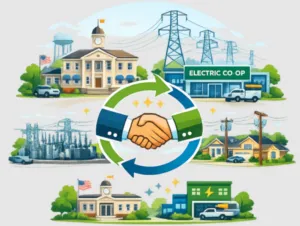
ELECTRIC COOPERATIVES AND MUNICIPAL UTILITIES
Rural and smaller utilities may offer limited but targeted rebate programs that vary by provider.
Identifying Your Texas Utility Provider
Identifying which utility serves your address is an important first step in determining which energy rebate programs may be available to you. In many parts of Texas, the company that delivers your electricity is different from the company that sells it.
Common ways to identify your utility provider include:
- Electric or gas bills: The utility’s name is usually listed near sections labeled “service provider,” “delivery charges,” or similar line items.
- Meters and equipment: Electric and natural gas meters often display the utility company’s name or logo.
- Retail vs. utility distinction: In deregulated markets, customers purchase electricity from a retail electric provider (REP), but rebate eligibility is tied to the transmission and distribution utility (TDU), not the REP.
- Service area maps: Many utilities publish territory maps by county or municipality to confirm which provider serves a specific address.
- Local government resources: City or county offices may maintain lists of utility providers serving local residents and businesses.
Once the correct utility has been identified, program details and current eligibility requirements can usually be found on the utility’s official website or within its published rebate program documentation.
Frequently Asked Questions
What are energy rebates for homeowners?
Energy rebates are financial incentives offered by government programs, utility companies, or regional energy initiatives to encourage homeowners to install energy-efficient equipment or make efficiency upgrades to their homes.
What home upgrades commonly qualify for energy rebates?
Many energy programs provide incentives for upgrades that improve energy efficiency. These may include high-efficiency HVAC systems, heat pumps, attic insulation and air sealing, energy-efficient water heaters, reflective roofing materials, and energy-efficient windows and doors. Program requirements vary depending on the utility provider and region.
How much can homeowners save with energy rebates?
Savings vary depending on the type of upgrade and available programs. Smaller improvements may qualify for rebates worth several hundred dollars, while larger upgrades such as HVAC systems or heat pumps may qualify for incentives worth several thousand dollars.
Are energy rebates available in Texas, Oklahoma, and Louisiana?
Many homeowners in Texas, Oklahoma, and Louisiana may have access to energy efficiency programs offered through utilities, federal initiatives, or regional energy programs. Available incentives depend on your utility provider and local program availability.
Do energy rebates come from the government or utility companies?
Energy rebates can come from several sources, including federal energy efficiency programs, state-level initiatives, utility company incentive programs, and regional energy efficiency partnerships. In some cases, homeowners may be able to combine multiple incentives for a single upgrade.
Do I need to apply for rebates before installing new equipment?
Some programs require homeowners to review eligibility or pre-qualify before installing new equipment, while others allow rebate applications after the upgrade has been completed. Because requirements vary by program and utility provider, it is usually recommended to review program guidelines before beginning a home upgrade project.
How are energy rebates typically paid to homeowners?
Energy rebates may be issued in several ways depending on the program. Some homeowners receive rebate checks after submitting documentation, while others may receive a credit on their utility bill. Certain programs may also provide instant discounts through participating contractors or federal tax credits applied during tax filing.
Do homeowners need an energy assessment to qualify?
Some energy efficiency programs require a home energy assessment before approving rebates. These assessments help identify where energy improvements can increase efficiency and determine which upgrades may qualify for available incentives.
Can homeowners combine multiple energy incentives?
In some cases, homeowners may qualify for more than one type of incentive. For example, an upgrade could qualify for both a utility rebate and a federal tax credit. However, eligibility rules vary by program and some incentives may have limits on how they can be combined.
How can homeowners find energy rebates available in their area?
Homeowners can typically find available energy rebates by identifying their local utility provider and reviewing the programs offered in their service area. Many regional and federal initiatives provide incentives for qualifying energy-efficient upgrades designed to reduce electricity use and improve home performance.

AmericanEnergyRebates.com is an educational resource designed to help homeowners better understand the energy rebate programs available. The site provides information about the types of incentives that may exist, the home upgrades that commonly qualify, and how energy rebate programs typically work across different utility service areas.
© 2026 American Energy Rebates. All Rights Reserved.