Energy-Efficient Windows And Doors
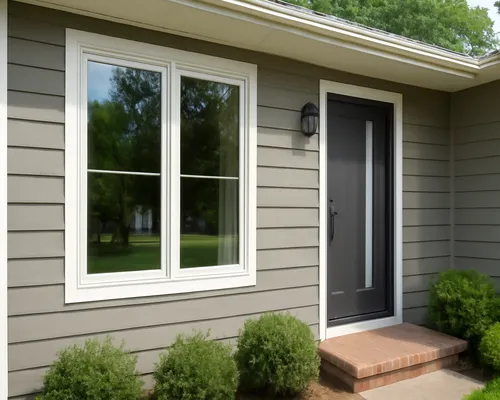
Windows and exterior doors play an important role in a home’s overall energy performance. Older or poorly sealed units can allow heat to enter or escape, increasing the demand on heating and cooling systems.
Because of this, some energy incentive programs provide financial benefits for installing energy-efficient windows and doors that meet defined performance standards.
AmericanEnergyRebates.com is an educational resource that helps homeowners understand energy rebate programs and energy-efficiency incentives. The site explains common rebate opportunities, the types of home upgrades that may qualify, and how rebate programs typically operate.
Types of Windows and Doors That May Qualify
Energy incentive programs typically focus on products designed to reduce heat transfer and improve insulation performance within the home. Common qualifying upgrades may include:
Energy-efficient replacement windows
Low-emissivity (Low-E) window glass
ENERGY STAR® certified exterior doors
Insulated fiberglass or steel entry doors
These upgrades are designed to reduce drafts, improve thermal insulation, and support more efficient indoor temperature control.
How Energy-Efficient Windows and Doors Improve Performance
Modern windows and doors are engineered to reduce unwanted heat transfer while maintaining indoor comfort. Energy-efficient designs may include improved frame materials, insulated glass units, and specialized coatings that help manage solar heat gain. These improvements can enhance energy performance by:
Reducing heat loss during colder conditions
Limiting solar heat gain during warmer conditions
Reducing drafts and air leakage
Improving overall building envelope performance
By improving insulation and sealing around openings in the home, these upgrades can help heating and cooling systems operate more efficiently.
Typical Program Requirements
Programs that offer incentives for windows and doors typically establish performance criteria to ensure that products meet energy efficiency standards. Requirements may include:
ENERGY STAR® product certification
Compliance with federal energy efficiency standards
Professional installation documentation
Submission of product specifications and purchase receipts
These requirements help ensure that incentives are applied to products capable of delivering measurable improvements in energy efficiency.
Benefits of Upgrading Windows and Doors
Upgrading to energy-efficient windows and doors can provide several benefits beyond incentive eligibility. Potential advantages may include:
Improved indoor temperature stability
Reduced heating and cooling demand
Lower long-term energy costs
Improved comfort and reduced drafts
Because windows and doors are key components of the building envelope, improving their performance can play an important role in enhancing overall home energy efficiency.
Frequently Asked Questions
What are energy rebates for homeowners?
Energy rebates are financial incentives offered by government programs, utility companies, or regional energy initiatives to encourage homeowners to install energy-efficient equipment or make efficiency upgrades to their homes.
What home upgrades commonly qualify for energy rebates?
Many energy programs provide incentives for upgrades that improve energy efficiency. These may include high-efficiency HVAC systems, heat pumps, attic insulation and air sealing, energy-efficient water heaters, reflective roofing materials, and energy-efficient windows and doors. Program requirements vary depending on the utility provider and region.
How much can homeowners save with energy rebates?
Savings vary depending on the type of upgrade and available programs. Smaller improvements may qualify for rebates worth several hundred dollars, while larger upgrades such as HVAC systems or heat pumps may qualify for incentives worth several thousand dollars.
Are energy rebates available in Texas, Oklahoma, and Louisiana?
Many homeowners in Texas, Oklahoma, and Louisiana may have access to energy efficiency programs offered through utilities, federal initiatives, or regional energy programs. Available incentives depend on your utility provider and local program availability.
Do energy rebates come from the government or utility companies?
Energy rebates can come from several sources, including federal energy efficiency programs, state-level initiatives, utility company incentive programs, and regional energy efficiency partnerships. In some cases, homeowners may be able to combine multiple incentives for a single upgrade.
Do I need to apply for rebates before installing new equipment?
Some programs require homeowners to review eligibility or pre-qualify before installing new equipment, while others allow rebate applications after the upgrade has been completed. Because requirements vary by program and utility provider, it is usually recommended to review program guidelines before beginning a home upgrade project.
How are energy rebates typically paid to homeowners?
Energy rebates may be issued in several ways depending on the program. Some homeowners receive rebate checks after submitting documentation, while others may receive a credit on their utility bill. Certain programs may also provide instant discounts through participating contractors or federal tax credits applied during tax filing.
Do homeowners need an energy assessment to qualify?
Some energy efficiency programs require a home energy assessment before approving rebates. These assessments help identify where energy improvements can increase efficiency and determine which upgrades may qualify for available incentives.
Can homeowners combine multiple energy incentives?
In some cases, homeowners may qualify for more than one type of incentive. For example, an upgrade could qualify for both a utility rebate and a federal tax credit. However, eligibility rules vary by program and some incentives may have limits on how they can be combined.
How can homeowners find energy rebates available in their area?
Homeowners can typically find available energy rebates by identifying their local utility provider and reviewing the programs offered in their service area. Many regional and federal initiatives provide incentives for qualifying energy-efficient upgrades designed to reduce electricity use and improve home performance.

AmericanEnergyRebates.com is an educational resource designed to help homeowners better understand the energy rebate programs available. The site provides information about the types of incentives that may exist, the home upgrades that commonly qualify, and how energy rebate programs typically work across different utility service areas.
© 2026 American Energy Rebates. All Rights Reserved.